

XO Key Takeaways:
- A water filter system for home use improves water safety and taste and protects appliances and plumbing.
- Whole-house systems cost more, but can provide all-around protection
- Point-of-use, like RO, UV, and filter system options, are convenient, compact, and more affordable.
- Annual maintenance for a whole-house water system can run between $100 and $500
- The right water filtration system for you, your family, and your home depends on what you need, and your lifestyle, but is ideal if you value health, efficiency, and long-term savings. Look for NSF/ANSI-certified filtration.
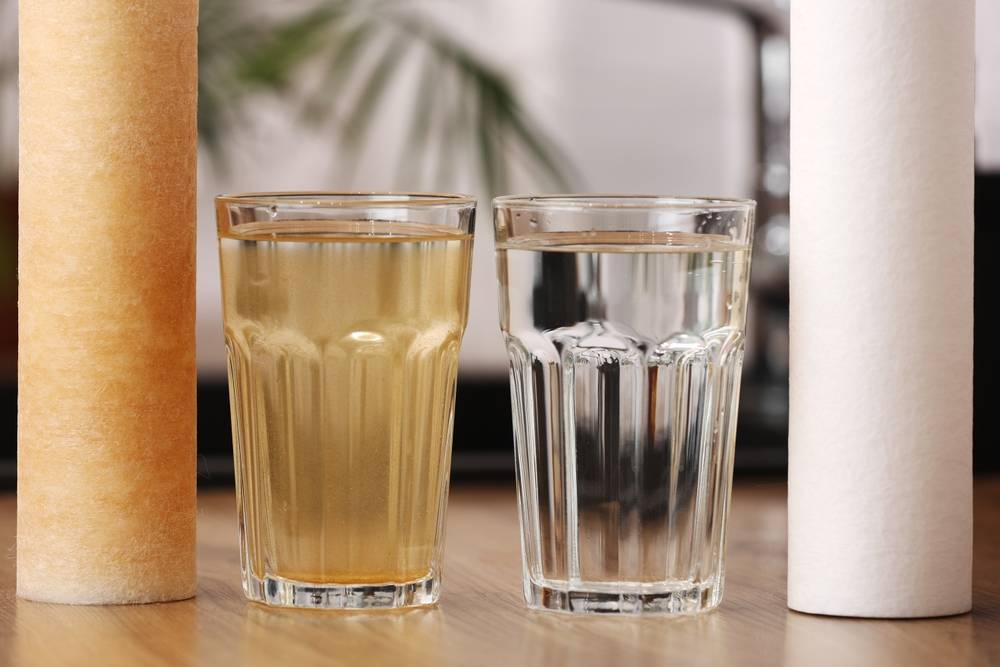
It’s a beautiful, hot summer day. Perhaps you’ve been out tending your garden or the kids by the pool, and you pop inside for a delicious, ice-cold glass of water. You go for that first, crisp, chilled sip and notice: The ice cubes have bits of debris, and maybe your tap tastes and smells atrocious. Once again, you’re hit with the question: What is with my home’s tap water?
If this sounds remotely familiar, you aren’t the only one. For thousands of homeowners, the answer remains unclear, and amid growing concerns about contaminants, filtration systems are becoming a proactive choice for healthier living. In today’s guide, we want to explore how you can choose a water filter system for home use that is right for you and your family, what these systems actually remove, and how they can help you ensure you’re drinking cleaner, safer water from every tap in your home.
Why Consider a Water Filter for a Home System Anyway?
Depending on your location and infrastructure, tap water may contain chlorine, lead, sediment, bacteria, or even PFAS (per- and poly-fluoroalkyl substances, man-made chemicals resistant to heat, oil, grease, and water). While most are within EPA (Environmental Protection Agency) guidelines, cumulative exposure can affect health and severely impact children or immunocompromised people.
Whole-House vs. Point of Use Systems
A water home filter system can be either:
- Whole-house, filtering water before it even enters your plumbing
- Point-of-use, like under-sink faucet filters for drinking and cooking.
Each has benefits and drawbacks. Whole-house systems offer broader protection, while smaller units can focus on water quality.
Exploring Home Drinking Water Filter Systems: What’s Your Options?
1. Whole-House Water Filtration Systems
These systems connect to your main water line and treat all incoming water. Ideal for homes with hard water or older plumbing, they reduce sediment, chlorine, and other contaminants across all fixtures.
Pros:
- Entire home protection (showers, faucets, laundry, drinking water)
- Reduces scaling in appliances and pipes
Cons:
- Higher upfront cost
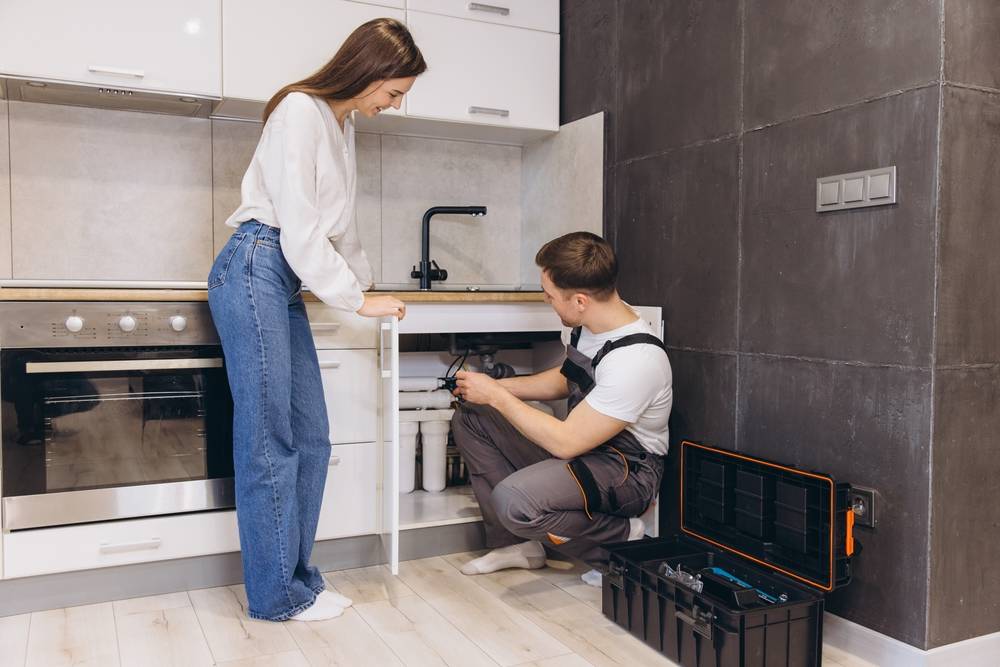
- Installation may require hiring a professional plumber
2. Under-Sink and Faucet Filters
These point-of-use systems are space-saving, compact, and very easy to install. They’re perfect for renters or homeowners who want to improve their drinking or cooking water.
3. Reverse Osmosis and UV Filtration
Reverse osmosis systems remove up to 99% of contaminants, and UV filtration kills bacteria and viruses. These can provide peace of mind for households using well or city water in areas with questionable water quality.
If you’re seeking more refined options, homeowners like you often explore home drinking water filter systems for targeted protection.
Is a Whole-House System Worth it?
When a whole-house system makes sense:
If you live in an area with hard, rusty water, high sediment, or outdated municipal infrastructure, whole-house filtration becomes a well-worth investment. It not only protects your drinking water but also any appliances that use water, enhances water clarity, and supports sensitive skin or those with chronic illness needs.
When a whole-house system doesn’t make sense:
If your well or city water is high-quality or you only want filtered water for one or two fixtures—like the kitchen for drinking water, bathroom sink for washing your face—an entire home system water filter is probably overkill. In these cases, a point-of-use filter or even a pitcher system may be more practical and cost-effective.
Home Water Filter System Cost: What to Expect
Factors like the filtration type you are seeking, your home’s size, and water-flow needs will influence the final price of a water filter system for your home.
- Initial system cost range: $1,000- $5,000, depending on complexity, brand, and other factors.
- Installation: $300- $1,000 depending on plumbing accessibility.
Pros and Cons of Water Purifiers
The Benefits:
- Cleaner, better-tasting, clearer water
- Reduced iron and sediments
- Protection against potential contaminants
- Reduced wear and tear and scale build-up on fixtures and appliances
The Drawbacks:
- The cost of installation for whole-home systems if running into complex plumbing issues
- Cost of replacement filters
- Slight reduction in water pressure depending on the system chosen
Every home system water filter requires a balance between convenience, performance, and cost to choose the right one that works for your daily life.
The Features to Look for When Choosing the Right System for You
Filtration Technology:
- Activated carbon: Removes chlorine, VOCs, and pesticides (Volatile Organic Compounds, gases emitted when certain solids and liquids, like water, are exposed to room temperature.)
- Sediment filters: Trap dirt, rust, and debris
- UV: Kills bacteria
- Reverse Osmosis: Reduced heavy metals, fluoride, and nitrates
Certification and Safety
Always look for the NSF/ANSI-certified (a product tested and certified by the National Sanitation Foundation and American National Standards Institute) systems that meet performance standards. These ensure that contaminant reduction is precisely as advertised.
Design, Installation, and Longevity
Some premium systems, such as those integrated discreetly into more upscale homes, are designed with both form and function in mind. Brands like XO offer specifically engineered solutions for seamless, effortless performance without disrupting the design of your entire kitchen or space.
The Cost of Maintaining a Whole-House Water Filter System
Regular Maintenance Needs:
- Replace filters every 6-12 months, depending on usage and system
- Periodic inspection of cartridges or UV bulbs
Estimated Annual Costs:
- Ranges from $100 to $500 per year, and again, it depends on your home’s filter type and water quality.
Understanding the true cost of a water filter for your home system, including both the installation and consistent upkeep, can help you narrow down your choices.
Clean Water, Confident, Cleaner Living: The Case for Filtering Your Home’s Water
A reliable and trustworthy water filtration system protects your family’s health and supports the longevity of plumbing and appliances like your washer, dishwasher, shower, taps, and more. Cleaner water can mean fewer mysterious stains, better-tasting meals or tea and coffee, and the comfort of knowing you’re drinking and using cleaner, safer water.
For homeowners who value smart design, improved wellness features, and less anxiety around unknown contaminants, the right filter system becomes more than just a tastier convenience; it’s a quiet upgrade that can improve a wide range of aspects of daily life. Some choose minimal, low-profile systems designed to work beautifully behind the scenes, just like the options available from XO.
Cleaner water starts with the source—discover today how XO can enhance how your home hydrates.